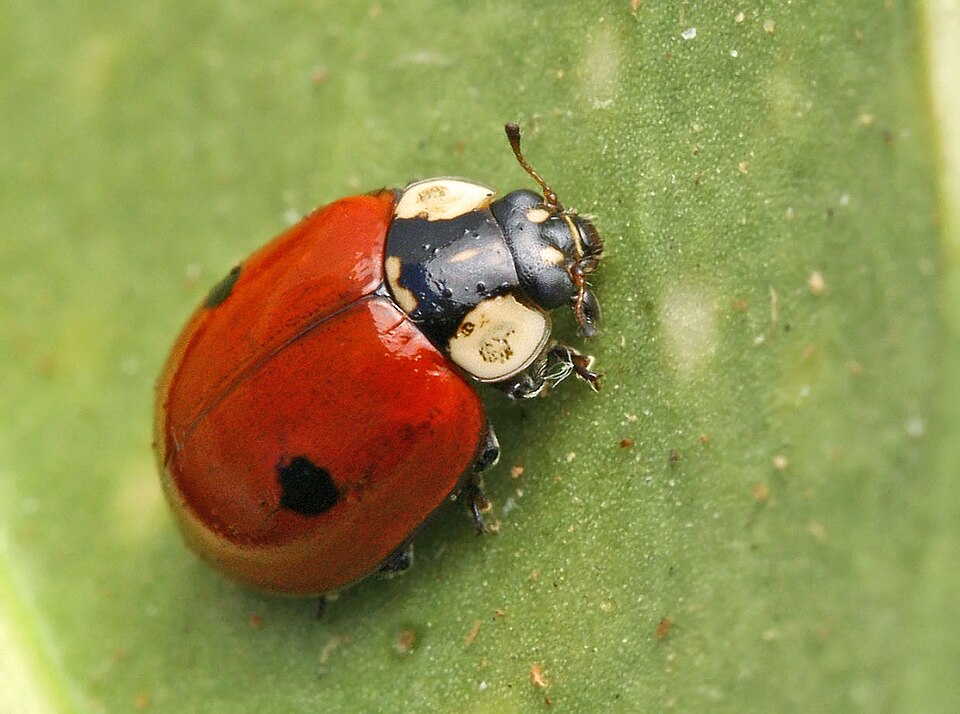
Adalia bipunctata
Overview
Adalia bipunctata, commonly known as the two-spot ladybird, is one of the best-known aphid predators used in biological control programmes. Both adults and larvae feed on aphids and can significantly reduce established colonies in protected and outdoor crops.
Ladybirds are among the most recognisable beneficial insects and are widely used in horticulture, gardens and landscape plantings.
Type
Predatory beetle.
Target Pests
Primary Targets
- Aphids
Secondary Targets
- Whitefly
- Small soft-bodied insects
- Young mealybugs
- Scale insect crawlers
Identification
Adult Adalia bipunctata are typically red with two black spots, although colour variation occurs naturally.
Larvae are elongated, dark grey to black with orange markings and are often found actively hunting within aphid colonies.
Both adults and larvae are predatory.
Why Adalia is Important
Aphids can reproduce rapidly and quickly form damaging colonies.
Adalia provides direct predation of both winged and wingless aphids and can consume large numbers throughout its lifecycle.
Unlike parasitoids, which require time to develop inside hosts, ladybirds immediately reduce aphid numbers through feeding.
Environmental Requirements
Temperature
Performs well under typical spring and summer growing conditions.
Humidity
Generally tolerant of a wide range of environmental conditions.
Crop Structure
Benefits from crops where aphid colonies are established and easy to locate.
Crops Commonly Used In
- Ornamentals
- Soft fruit
- Nursery stock
- Outdoor crops
- Protected crops
Strengths
- Excellent aphid predator
- Both adults and larvae feed on pests
- Strong curative potential
- Suitable for indoor and outdoor use
- Highly recognisable beneficial insect
Limitations
- Requires prey availability
- Adults may disperse after aphid populations decline
- Less preventative than parasitoid programmes
- Can require repeat introductions during heavy infestations
Works Well With
Parasitoids provide long-term pressure while Adalia can rapidly reduce established aphid colonies.
Monitoring Establishment
Successful establishment can often be confirmed by:
- Ladybird larvae within aphid colonies
- Active adult feeding
- Declining aphid colony growth
- Presence of eggs near infestations
- Reduced production of winged aphids
Common Questions
How many aphids can Adalia consume?
Both larvae and adults can consume large numbers of aphids during development and are capable of reducing substantial colonies.
Does Adalia work preventatively?
Usually no. Adalia is generally most effective when aphids are already present.
Will adults fly away?
Adults can disperse if prey becomes scarce, which is why they are often used alongside parasitoids and other beneficial insects.
Can it be used outdoors?
Yes. Adalia is widely used in outdoor crops, gardens and landscape plantings.
Common Reasons for Failure
Aphids eliminated too quickly
Without food, adults may disperse.
Heavy pesticide use
Broad-spectrum insecticides can kill adults and larvae.
Very low prey density
Ladybirds establish best where aphid colonies already exist.
Practical IPM Strategy
- Monitor aphid populations regularly.
- Introduce Adalia where colonies are developing.
- Combine with parasitoids for longer-term suppression.
- Minimise disruptive pesticide applications.
- Continue monitoring for winged aphid movement.