
Caterpillars
Overview
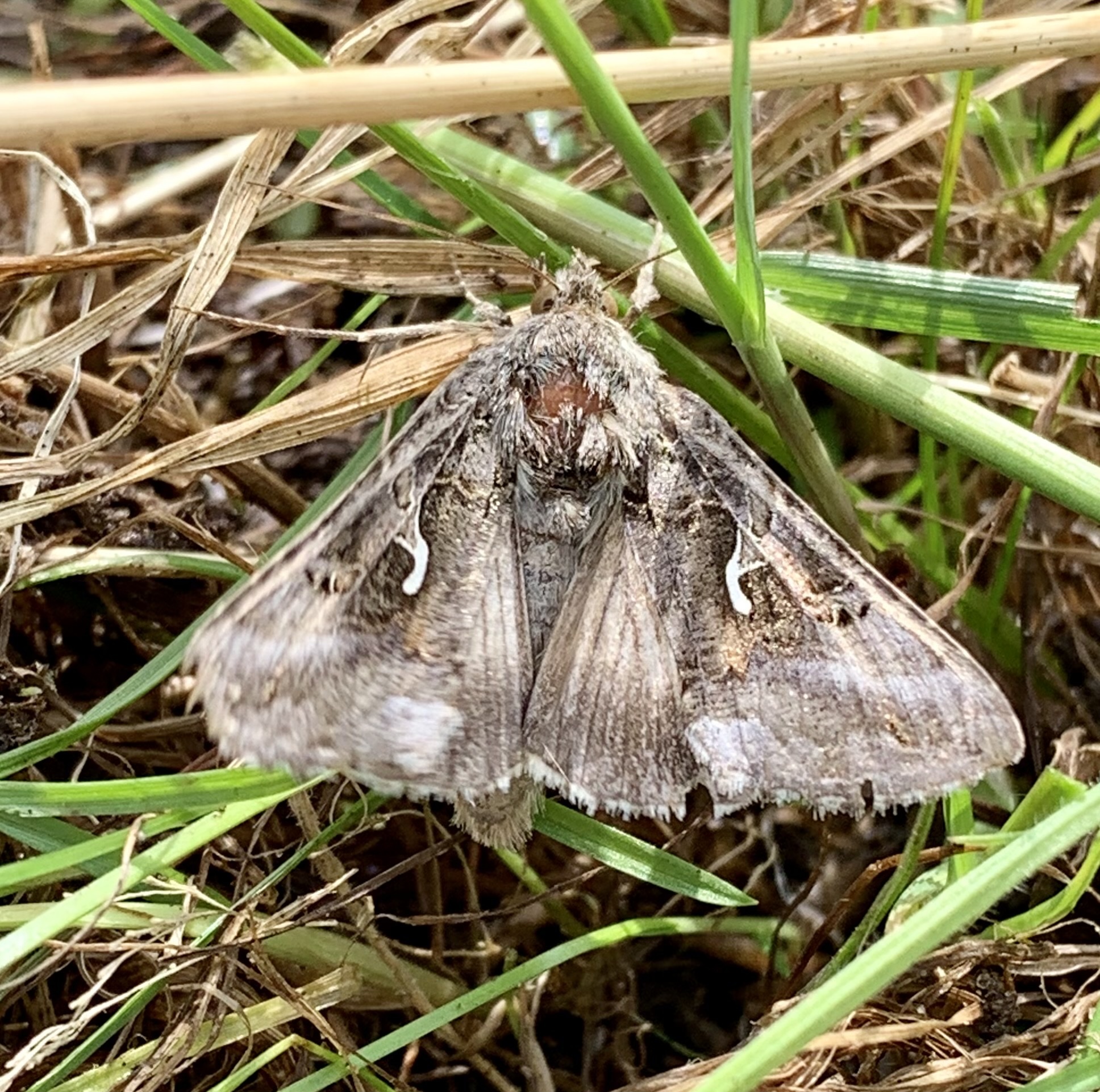
Caterpillars are the larval (feeding) stage of moths and butterflies (order Lepidoptera). While many adult butterflies and moths are valuable parts of natural ecosystems, a relatively small number of species become serious pests of commercial crops, protected horticulture and ornamental plants.
Unlike sap-feeding pests such as aphids or whiteflies, caterpillars consume plant tissue directly. Even a small number of larvae can remove significant amounts of foliage, flowers or fruit within a short period, making early detection essential.
Commercial outbreaks are often first noticed after chewing damage has already occurred. By this stage, caterpillars may have been feeding unnoticed for several days.
Why Caterpillars Matter
Caterpillars attack many economically important crops grown in glasshouses, tunnels, nurseries and outdoor production.
Common feeding sites include:
- leaves
- flowers
- flower buds
- fruit
- growing points
- young shoots
Damage often increases rapidly as larvae grow. A newly hatched caterpillar consumes very little plant material, while an older larva may eat many times its own body weight before pupating.
In ornamental crops, even light feeding damage may reduce plant quality below saleable standards.
Major Caterpillar Groups
The term "caterpillar" includes the larvae of many different moths and butterflies.
Important horticultural groups include:
- Cabbage White caterpillars
- Cutworms
- Armyworms
- Loopers
- Silver Y caterpillars
- Tortrix caterpillars
- Tomato moth caterpillars
Although their biology differs slightly, their monitoring and integrated management principles are broadly similar.
Life Cycle Summary
Caterpillars are only one stage of the insect life cycle.
The typical cycle is:
- Adult moth or butterfly
- Egg
- Caterpillar (feeding stage)
- Pupa
- Adult emergence
Most crop damage occurs during the caterpillar stage.
Female moths usually lay eggs directly onto suitable host plants. Newly hatched larvae begin feeding almost immediately before progressing through several growth stages (instars). Mature larvae eventually stop feeding and pupate either on the plant, within leaf litter or in the growing media depending on species.
Warm conditions may allow several overlapping generations during the growing season, particularly in protected horticulture.
For a more detailed explanation see:
Damage Symptoms
Caterpillar damage is often distinctive because plant tissue is removed rather than pierced or sucked.
The type and severity of injury depends on the caterpillar species, crop, larval size and feeding location.
Common symptoms include:
- irregular holes in leaves
- windowing of young foliage
- skeletonised leaves
- scalloped leaf edges
- damaged flowers
- feeding on fruit
- damaged growing points
- cut stems on young plants
- contamination with frass (droppings)
Young larvae often feed discreetly on leaf undersides before larger caterpillars move throughout the crop.
Damage progression
Early infestations may show only:
- tiny pin holes
- small areas of windowing
- isolated feeding scars
As larvae grow, symptoms typically progress to:
- large holes through leaves
- severe defoliation
- flower destruction
- fruit feeding
- extensive frass deposits
- plant collapse where growing points are destroyed
In leafy salad crops and ornamentals, relatively little feeding may render plants unmarketable.

Environmental Risk
Several environmental conditions favour caterpillar outbreaks.
| Condition | Risk |
|---|---|
| Warm temperatures | High |
| High moth activity | High |
| Open vents and doors | High |
| Outdoor crops nearby | High |
| Dense crop canopy | Moderate–High |
| Poor scouting | High |
| Weedy surroundings | Moderate |
Most outbreaks begin when adult moths enter crops and lay eggs on suitable host plants.
Protected crops are particularly vulnerable during periods of increased moth migration in spring and summer.
High-risk situations
Pay particular attention when:
- crops are close to outdoor vegetation
- vents remain open overnight
- warm weather follows periods of rain
- moth catches increase
- weeds are present around structures
- neighbouring crops contain caterpillars
Egg laying often occurs before feeding damage becomes obvious.
For more detail see:
Monitoring
Early detection is one of the most effective IPM tools for caterpillar management.
Inspect regularly:
- leaf undersides
- growing points
- flowers
- fruit clusters
- crop edges
- dense canopy
- young plants
Look for:
- eggs
- newly hatched larvae
- chewing damage
- fresh frass
- silk webbing
- rolled leaves
Young caterpillars are considerably easier to manage than mature larvae.
Night inspections may reveal active caterpillars that remain hidden during daylight hours.
High-risk monitoring areas
Focus scouting around:
- doors
- vents
- crop edges
- weed patches
- propagation areas
- young plants
- flowering crops
Yellow sticky traps help indicate moth activity in some situations, but crop inspection remains the most reliable method for detecting caterpillars.
Identification
Correct identification improves management decisions because not all caterpillar species behave in the same way.
Useful characteristics include:
- body colour
- stripes or spots
- hairs
- looping movement
- feeding pattern
- host crop
- frass size
- egg appearance
For a detailed guide see:
Biological Control
Successful biological control depends on finding caterpillars while they are still small.
Large, mature larvae consume much more plant material and are generally harder to suppress than newly hatched caterpillars.
Integrated programmes often combine monitoring, conservation of natural enemies and targeted biological control.
Egg parasitoids
Egg parasitoid wasps attack caterpillar eggs before larvae hatch.
This prevents crop damage before feeding begins and can significantly reduce future caterpillar populations.
See:
Predatory insects
Several generalist predators feed on caterpillar eggs or very young larvae.
Examples include:
These predators contribute to long-term suppression as part of a wider IPM programme.
Bacillus thuringiensis (Bt)
Bacillus thuringiensis (Bt) is a naturally occurring bacterium used against many young caterpillar species.
It is generally most effective:
- against newly hatched larvae
- before extensive feeding occurs
- while larvae remain actively feeding
Older caterpillars are usually less susceptible than newly emerged larvae.
Conserving natural enemies
Natural populations of parasitoids and predators often contribute significantly to caterpillar control.
Useful IPM practices include:
- avoiding unnecessary broad-spectrum insecticides
- maintaining regular crop inspections
- managing weeds appropriately
- encouraging beneficial insect activity
- monitoring pest populations before intervention
Practical IPM Strategy
Successful caterpillar management usually combines:
- regular crop scouting
- monitoring adult moth activity
- locating eggs before hatching
- identifying young larvae early
- conserving beneficial insects
- removing hotspot infestations
- maintaining good crop hygiene
- protecting biological-control programmes
Waiting until large caterpillars become widespread usually increases both crop damage and management difficulty.
Common Host Plants
Caterpillars attack a very wide range of horticultural crops.
Frequently affected plants include:
Protected vegetables
Brassicas
Soft fruit
Ornamentals
For the complete crop list see:
Caterpillar Topic Guide
Expand your knowledge with these related pages:
- Caterpillar Identification Guide
- Caterpillar Environment & Risk Factors
- Caterpillar Life Cycle
- Caterpillar Damage Symptoms
- Caterpillar Host Plants
- Cabbage White Caterpillar
Commercial Caterpillar Species
Several different caterpillar species are responsible for crop damage in commercial horticulture.
Although feeding damage may appear similar, species differ in:
- preferred host plants
- seasonal activity
- migration patterns
- life cycle
- monitoring priorities
Explore the main commercial species:
This hub links to individual species pages covering identification, biology and crop-specific management.
Related BioWiki Pages
Related Beneficials
Related Tools
Related Solution Pages
Key Message
Most caterpillar outbreaks are easiest to manage before significant feeding damage has occurred.
Routine scouting, early identification, conservation of beneficial insects and rapid intervention while larvae are still small form the foundation of successful integrated pest management.