Wireworm
Overview
Wireworms are the larvae of click beetles.
They are soil-dwelling pests that feed on roots, stems and underground plant parts.
They are most important in: - field vegetables - root crops - newly cultivated grassland - nursery systems
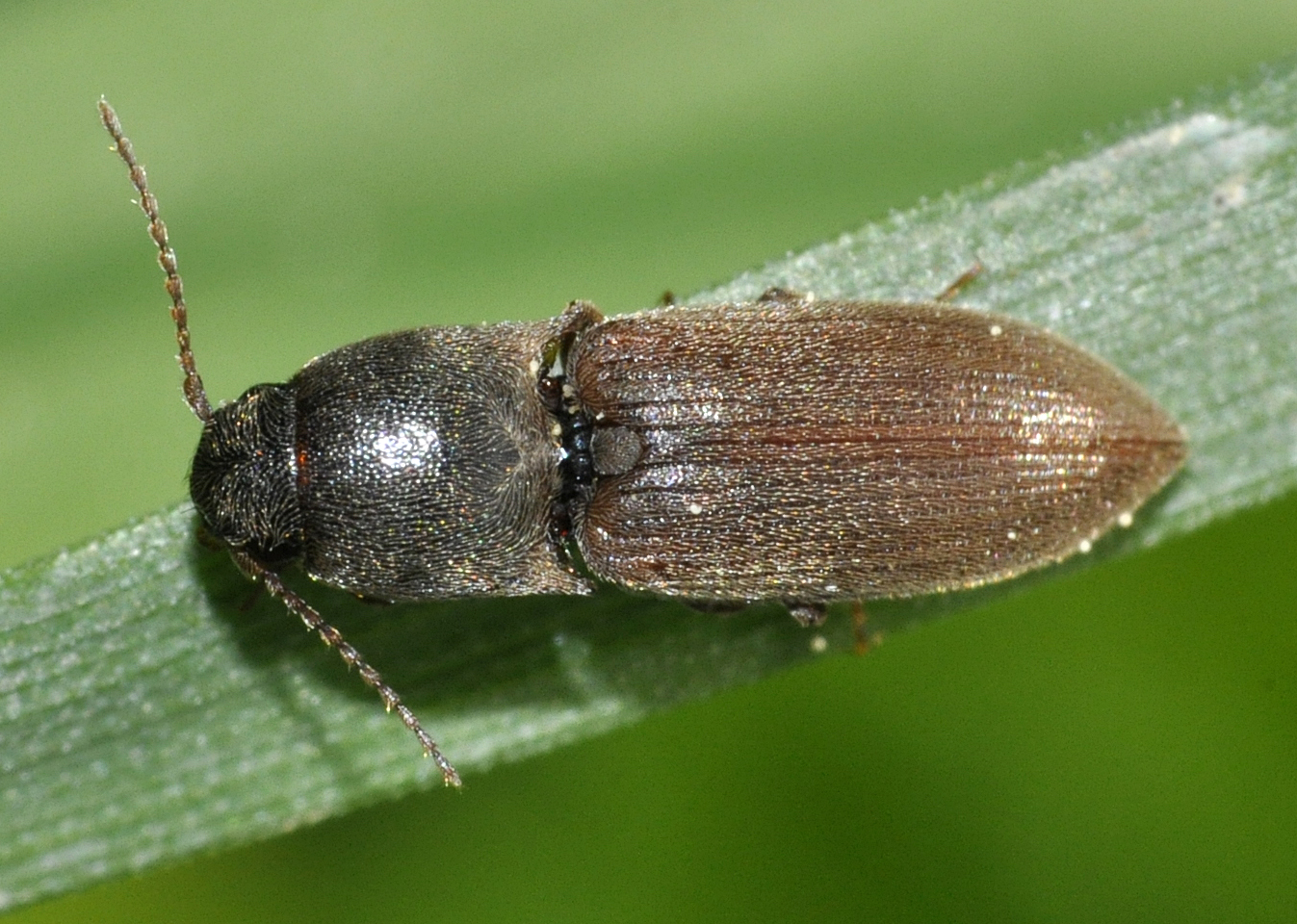
Identification
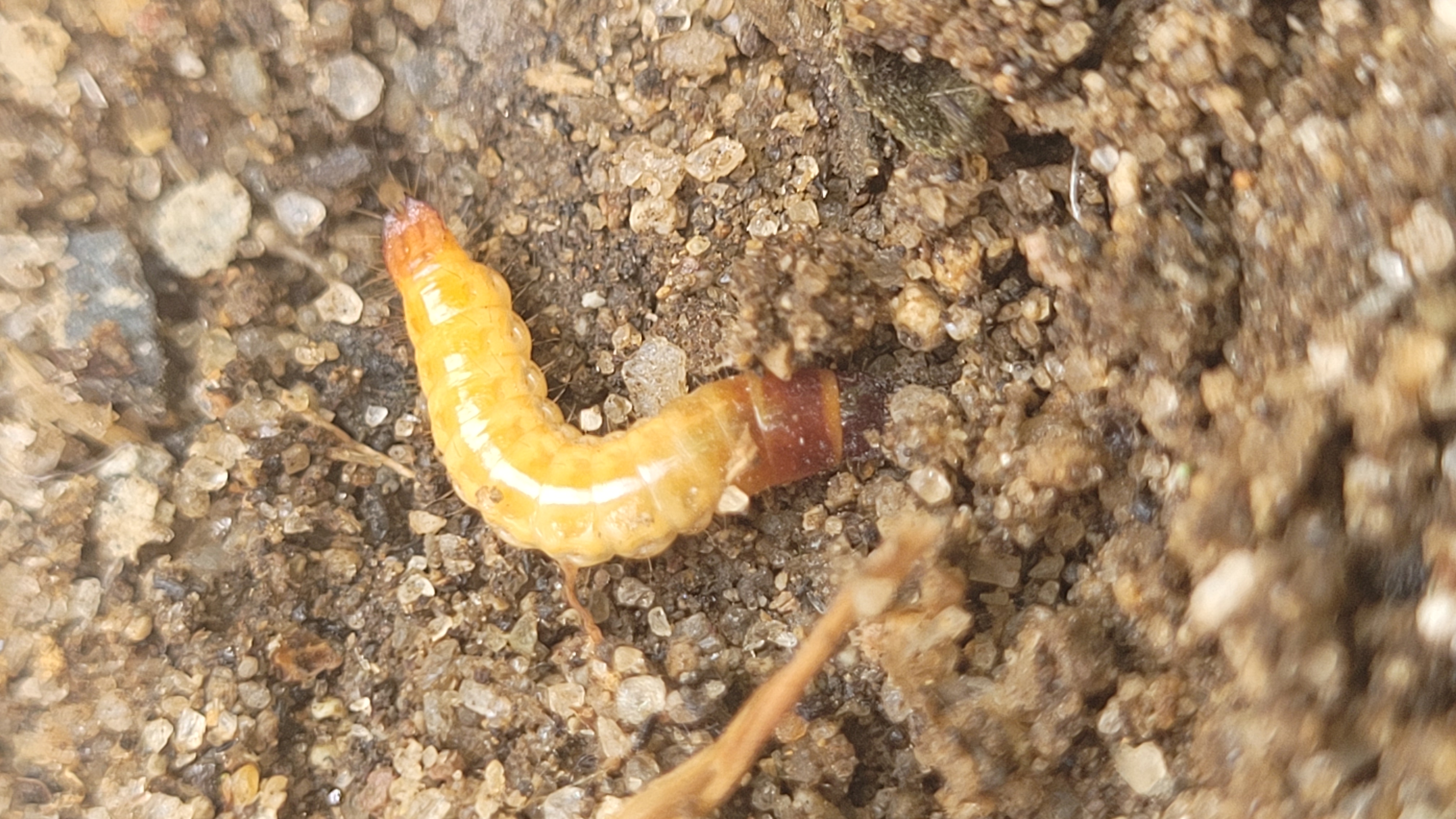
Wireworms are:
- hard-bodied larvae
- yellow to orange-brown
- slender and segmented
- found in soil
Symptoms
Typical symptoms include:
- root feeding
- stem base damage
- poor establishment
- wilting young plants
- holes in underground plant parts
Risk conditions
| Condition | Risk |
|---|---|
| Former grassland | Very High |
| Weedy fields | Moderate–High |
| High organic matter soil | Moderate |
| Poor field history knowledge | High |
Monitoring
Inspect:
- soil
- roots
- weak plants
- damaged stem bases
Bait traps may help detect larvae before planting.
IPM approach
Useful strategies:
- understand field history
- avoid high-risk rotations where possible
- monitor before planting
- maintain weed control
- encourage soil biodiversity
Commonly affected crops
Key message
Wireworm risk is strongly linked to field history, especially land recently coming out of grass.