tags: - public-ready - export-bio
Chafer grubs
Overview
Chafer beetle larvae feed on roots, causing wilting and patchy collapse.
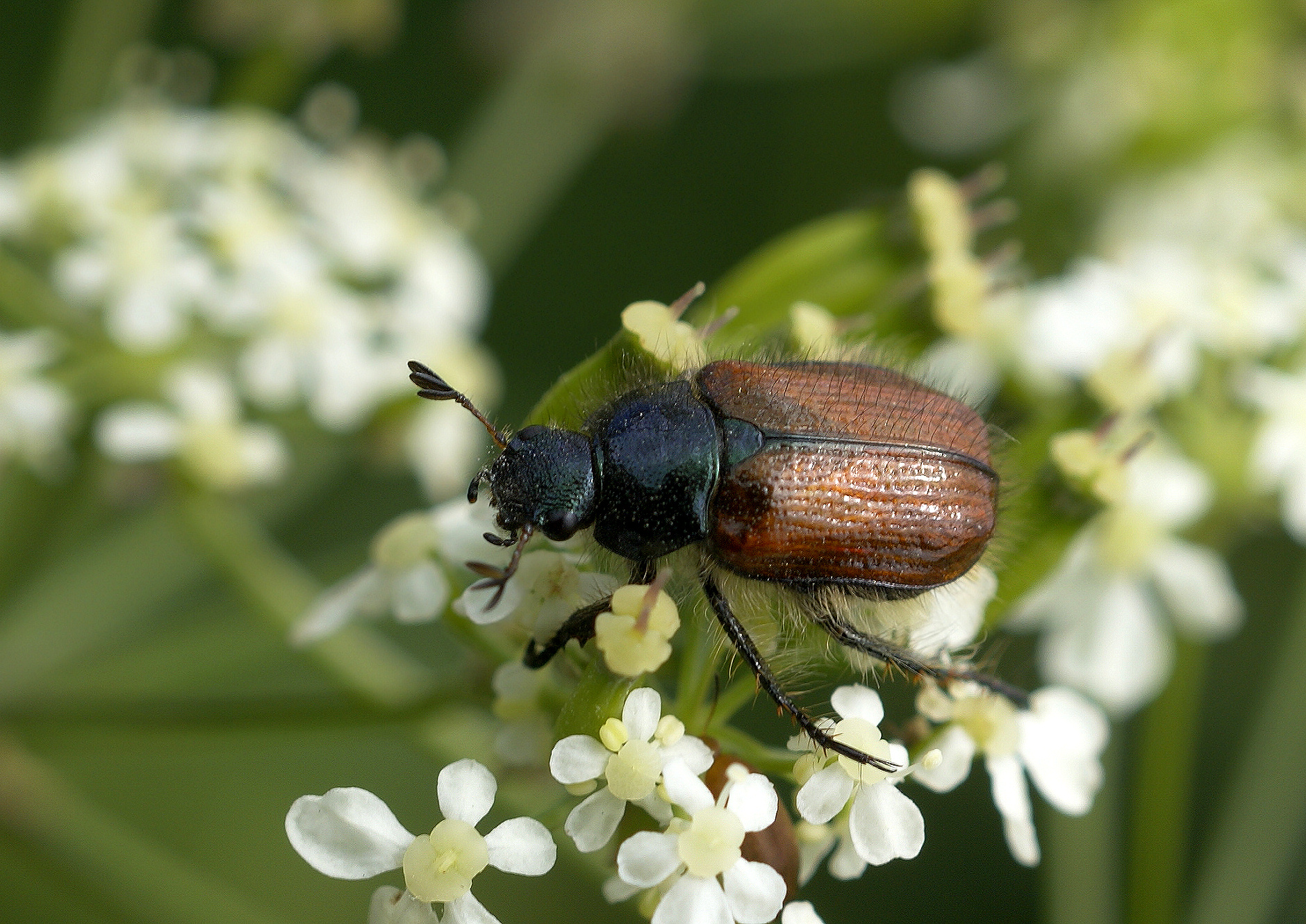
Crops
- Turf
- Soft fruit plantings
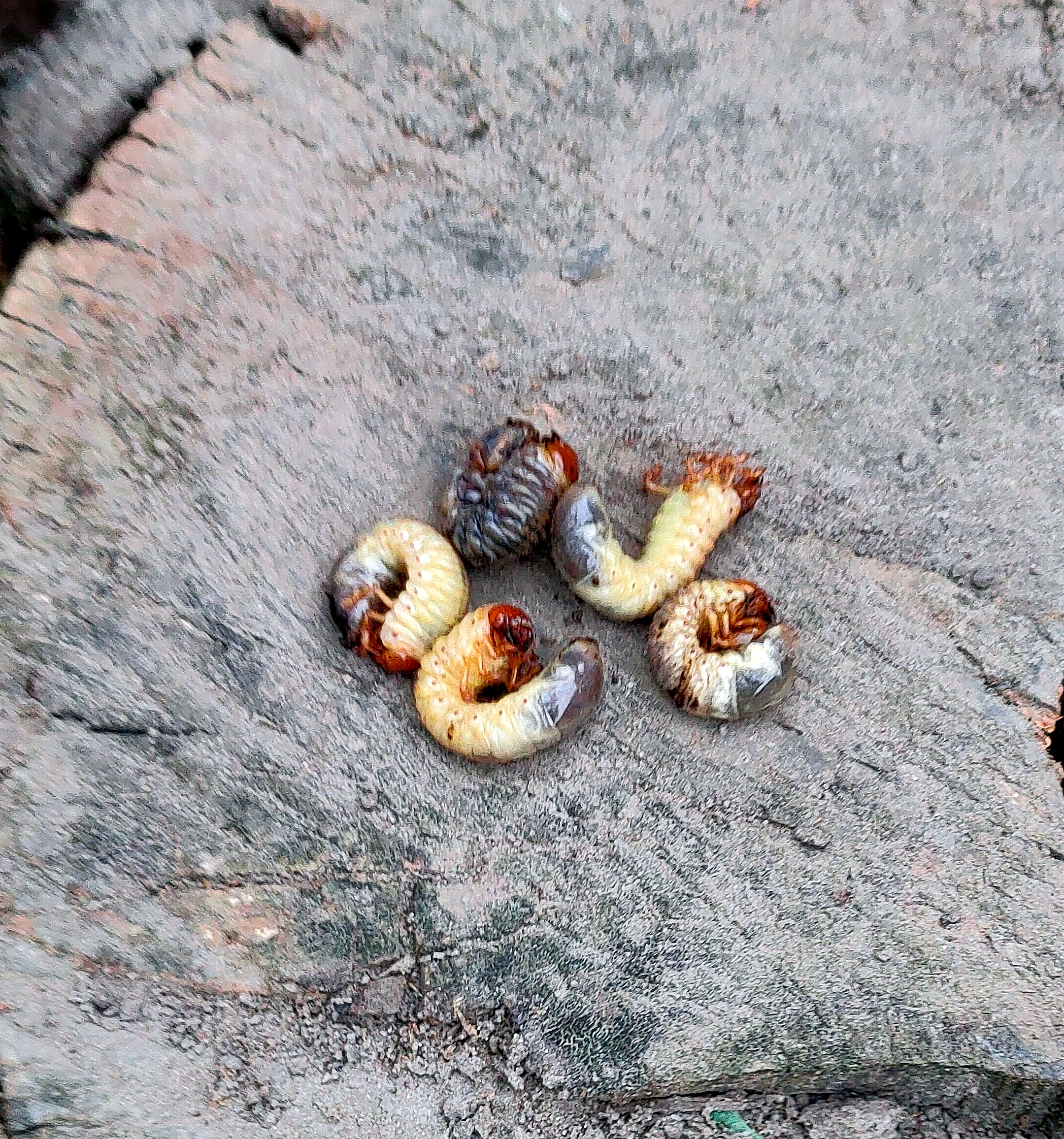
Notes
Often confused with vine weevil larvae.
Further guidance
- Chafer Grubs — Establishment Risk Foundations
System Links
- Pest Pressure Hub
- Monitoring & Thresholds Hub
- Biocontrol Strategy Hub
- Environmental Drivers Hub
- Ipm System Architecture
Related solution pages
Use this page alongside
Commonly affected crops
Related BioWiki pages
Additional IPM notes
Chafer grubs are root-feeding larvae and are usually most damaging where plants are grown in soil, turf, nursery beds or outdoor containers.
Risk is often linked to field history. Areas with previous grass, weedy margins or poor rotation history may carry higher populations.
Useful monitoring includes checking weak plants, lifting suspect root zones and looking for curved white grubs in the soil.
Control is usually strongest when based on prevention, field history and good timing rather than waiting until plants collapse.